That Annoying Eye Twitch; Is it Something to Worry About?
Most eye twitching muscle spasm articles give Colorado a passing mention. “Dry air” gets one line and the page moves on. That undersells what is actually happening here. Colorado stacks multiple environmental stressors on top of each other, and your ocular surface and eyelid muscles feel them.
Dry Air and Low Humidity
Colorado’s low humidity, which can drop below 10 percent indoors during winter, accelerates tear evaporation faster than your eyes can compensate. When the ocular surface dries out, it becomes irritated. Irritated eyes blink harder and more frequently, and that repetitive muscle effort fatigues the eyelid. Fatigue and irritation are two of the most reliable triggers for twitching.
High Altitude and Reduced Oxygen
The cornea does not have blood vessels. It gets its oxygen directly from the atmosphere through the tear film. At Denver’s elevation of 5,280 feet, and even more so at higher altitudes across the state, the atmosphere holds less oxygen than it does at sea level. That reduced availability puts quiet but consistent stress on the ocular surface, compounding the dryness and irritation already driven by the climate.
Intense UV and Glare
Colorado’s thinner atmosphere filters less ultraviolet radiation than lower-altitude states. Add snow glare, open terrain, wind and Colorado’s famously abundant sunshine, and you have an environment that keeps the muscles around your eyes working overtime. Chronic squinting strains the periocular muscles and contributes directly to the kind of eyelid fatigue that can produce twitching.
Seasonal Allergies
Colorado’s allergy calendar runs nearly year-round: tree pollen in spring, grass in summer, ragweed and weed pollen through fall. The histamine response triggered by these allergens inflames the eyelids, causes itching, and invites rubbing. Rubbing irritates an already stressed ocular surface.
And for patients managing symptoms with antihistamines, there is an added complication: those medications dry the eyes out further, tightening the cycle rather than breaking it.
Taken individually, any one of these factors can nudge a person toward eye twitching. In Colorado, most people are dealing with many of them at the same time.
If You Wear Contacts, Colorado Is Working Against You
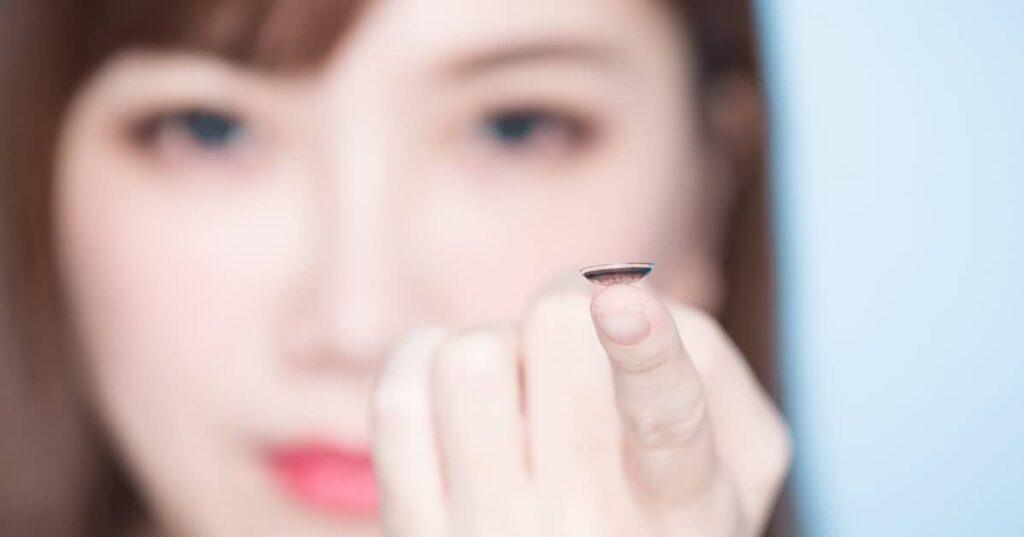
Contact lenses do two things that matter here. They sit directly on the cornea, reducing the oxygen that reaches the ocular surface. And they disrupt the tear film, accelerating the dryness that Colorado’s climate is already promoting.
Under normal circumstances, healthy eyes manage these trade-offs reasonably well. Colorado changes the equation.
At altitude, the atmosphere holds less oxygen to begin with. Add a contact lens over the cornea and you have two problems working together at once: less oxygen available in the air, and a physical barrier reducing how much of that oxygen actually gets through. Layer in Colorado’s low humidity, and the tear film that contacts depend on is under constant pressure.
As Dr. Danzo puts it, Colorado depletes the two things contact lenses need most: oxygen and moisture. Neither is in generous supply here.
The result can be a chronically irritated ocular surface that is far more prone to the strain and eyelid muscle fatigue that triggers twitching. Many contact lens wearers notice their eyes becoming progressively less tolerant over time. End-of-day dryness arrives earlier. Discomfort that was once occasional becomes routine.
In many cases, it is not a flaw in your contacts or your eyes. It is the environment.
The Most Common Causes of Eye Twitching (And How Colorado Amplifies Each One)
Colorado’s environment sets the stage. These are the triggers that tend to bring the curtain down.
Fatigue and Poor Sleep
Altitude affects sleep quality, particularly for newcomers and anyone active in Colorado’s outdoors. Less restorative sleep means less recovery time for the muscles around your eyes, and eyelid fatigue is one of the most direct drivers of twitching.
Stress
Chronic stress elevates cortisol, which overstimulates the nervous system and makes the small muscles around the eye more reactive. Colorado’s active, high-achieving culture is wonderful. It also keeps cortisol levels higher than most people realize.
Caffeine
High caffeine intake overstimulates the nervous system in much the same way stress does. If your eye twitching tends to peak in the morning or before a workout, your daily intake is worth a second look.
Screen Time
Prolonged screen use reduces your blink rate, drying the ocular surface and straining the muscles that control focus. This practice can assist in lessening symptoms: every 20 minutes, look at something 20 feet away for 20 seconds. In an already dry environment, this habit pays dividends.
Nutrition
Deficiencies in magnesium or potassium can contribute to muscle spasms throughout the body, including the eyelids. If lifestyle adjustments have not helped, it is worth raising with your doctor.
When Eye Twitching Is a Sign to See a Doctor
Most cases of eye twitching resolve on their own within days to a few weeks. A little rest, some adjustments to caffeine or screen time, and the twitch typically fades without any intervention needed.
That said, there are times when it is worth getting checked out. Reach out to an eye care professional if you notice any of the following:
- Twitching that persists beyond two weeks
- Spasms that spread to other parts of your face
- Your eyelid closing completely with each twitch
- Redness, swelling, discharge, or changes in vision accompanying the twitching
- Symptoms that are significantly disrupting your daily life
In rare cases, persistent forceful twitching can indicate a condition called blepharospasm, which involves more intense and frequent muscle contractions than common myokymia. Unlike the garden-variety eye twitch, blepharospasm typically causes the eyelid to close more fully and for longer periods. It is uncommon, and it is very different from the brief, subtle spasms most people experience.
The important thing to know is that serious presentations are the exception, not the rule. The vast majority of eye twitching is benign, temporary, and well within your ability to address with simple lifestyle adjustments.
When in doubt, a conversation with an eye care professional is always the right call. Not because something is likely wrong, but because clarity is always worth having.
Practical Steps to Reduce Eye Twitching in Colorado
Most eye twitching responds well to simple adjustments. After nearly four decades of caring for Colorado patients, Dr. Danzo consistently points to the same core habits. These are the ones that matter most here.
Use Artificial Tears Regularly
Preservative-free artificial tears replenish the tear film that Colorado’s dry air constantly works against. Keep a bottle at your desk, in your bag, and in your car. After time outdoors especially, your eyes will appreciate it.
Stay Hydrated
At altitude, the body loses moisture faster than most people expect. Dehydration compounds dry eye and contributes to the ocular surface stress that drives twitching. Consistent water intake throughout the day is one of the simplest things you can do.
Protect Your Eyes Outdoors
UV-rated sunglasses are not optional in Colorado. They reduce squinting, block intense UV radiation, and shield your eyes from wind and glare. Wear them year-round, not just in summer.
Manage Your Caffeine
If your intake is high, a modest reduction is one of the easiest adjustments you can make. Less stimulation to the nervous system often means less twitching.
Prioritize Sleep
Altitude can affect sleep quality, particularly for active Coloradans and those who have recently relocated. Protecting your sleep is one of the most effective investments you can make in overall eye health.
Follow the 20-20-20 Rule
Every 20 minutes of screen time, look at something 20 feet away for 20 seconds. This reduces digital eye strain, encourages more complete blinking, and gives your ocular surface a chance to recover between sessions.
Give Your Contacts a Break
If you wear contacts and symptoms persist, try a day or two in glasses and notice whether things improve. In Colorado’s environment, even occasional breaks from contact lens wear can meaningfully reduce ocular surface stress.
Many of our patients are surprised by how quickly their eyes respond once that daily pressure is removed.

Persistent Eye Irritation in Colorado? We Can Help.
If your eye twitching keeps coming back, chronic dry eye or contact lens-related strain may be driving it. A comprehensive evaluation can identify the root cause and give you a clear path forward.
At 20/20 Institute, we have cared for Colorado patients’ eyes since 2004. Every patient receives a personalized evaluation and honest guidance. No pressure. Just clarity.
For patients whose contact lens discomfort has them curious about LASIK, we are happy to have that conversation. Many find that eliminating daily contact lens wear removes the single biggest source of ocular stress in their lives. Living in Colorado feels different when your eyes are not fighting it.
Wondering if you are a candidate? Find out here.
Learn more about why patients choose 20/20 Institute and what makes our approach different.
If you are considering refractive surgery for the first time, the first consultation is always free.
Schedule free Consultation or call 720-580-5945.