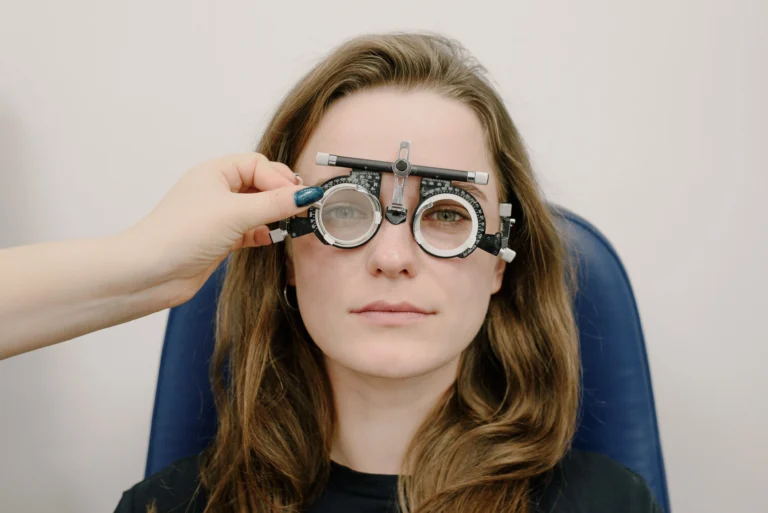

Contact lenses can temporarily reshape the cornea. That reshaping, although subtle, can lead to inaccuracies in the measurements taken during LASIK that are pivotal in accurately determining your candidacy and ensuring your most optimal results.
Refraining from contact use for the appropriate amount of time is very important in attaining the most precise pre-procedure eyeglasses prescription and getting the most accurate corneal curvature measurements for your Custom LASIK treatment. Your surgeon relies on precise topography, keratometry, and refractive readings to build an individualized treatment plan. If those numbers are captured while the cornea is still influenced by a lens, the surgical parameters could be calibrated to the wrong baseline. Our team uses advanced diagnostic technology to capture precise corneal measurements, which is why a fully contact-free cornea matters at the time we take yours.
Why Contact Lenses Must Be Removed Before LASIK

Contact lenses can temporarily reshape the cornea. That reshaping, although subtle, can lead to inaccuracies in the measurements taken during LASIK that are pivotal in accurately determining your candidacy and ensuring your most optimal results.
Refraining from contact use for the appropriate amount of time is very important in attaining the most precise pre-procedure eyeglasses prescription and getting the most accurate corneal curvature measurements for your Custom LASIK treatment. Your surgeon relies on precise topography, keratometry, and refractive readings to build an individualized treatment plan. If those numbers are captured while the cornea is still influenced by a lens, the surgical parameters could be calibrated to the wrong baseline. Our team uses advanced diagnostic technology to capture precise corneal measurements, which is why a fully contact-free cornea matters at the time we take yours.
The contact-free period can also help reduce the risk of corneal swelling and supports a healthier ocular surface at the time of surgery. Contact wearers are also more likely to experience dryness, and you can read more about how we address that on our page about dry eye and LASIK. At 20/20 Institute, we’re entirely committed to the health and safety of each patient we see. In preparation for your LASIK procedure, we’ll provide you with detailed instructions and around-the-clock support to help make sure your eyes are ready on the day of your surgery.
When to Stop Wearing Contacts Before LASIK
LASIK is designed to reduce your reliance on glasses and contact lenses, but leading up to surgery you’ll still need the assistance of prescription eyewear to see. When you should make the switch from contact lenses to glasses depends, at least somewhat, on the type of contacts you wear.
In an analysis of LASIK patients treated at our Denver Tech Center location in 2022 who completed one year of follow-up care, 99.67% achieved 20/20 vision or better, as measured on a Snellen Visual Acuity Chart.* You can review the full results on our outcomes page. We publish this data because we believe patients considering LASIK deserve to see it. Accurate corneal measurements are part of the foundation behind that outcome, which is why we ask every contact lens wearer to complete a contact-free period before we take your final surgical measurement.
Our doctors recommend the following general windows, which we then tailor to you at your evaluation:
Soft contact lenses
Plan to remove soft contact lenses at least 1 to 2 weeks before you undergo LASIK vision correction. This gives standard daily and monthly soft lenses time to release their gentle reshaping effect on the cornea.
Rigid gas-permeable (RGP) lenses
If you use rigid gas-permeable lenses, a longer period without them, typically 4 to 12 weeks, is strongly advised. RGP materials sit more firmly against the cornea and can influence its shape for a longer stretch after you stop wearing them.
Toric, hybrid, extended-wear, and orthokeratology lenses
These specialty and corrective lenses generally require a longer, more individualized adjustment period because they exert more sustained pressure on corneal shape. Toric soft contact lenses for astigmatism, for instance, are designed to hold a specific orientation on the eye and can influence corneal readings differently than a standard soft lens. Orthokeratology (Ortho-K) lenses are made to reshape the cornea overnight, so those wearers usually need the longest break of all. In every case, the exact window is set at your evaluation, and we may repeat measurements over time until your corneal topography has stabilized.
During your initial LASIK evaluation, we’ll assess your contact usage to help you determine when it will be necessary to stop wearing your contacts. This can vary slightly from person to person, which is why it’s important to follow the advice specifically provided to you by our team. If you wear a specialty lens type not listed above, please ask your dedicated patient counselor for a personalized timeline before you stop.
If you’d like to get your personalized contact-free timeline confirmed, schedule a free consultation and we’ll walk through your lens history together.
Why the Contact-Free Window Matters
This instruction can feel inconvenient, but it serves a specific purpose: the difference between measurements taken on a cornea that has returned to its natural shape and measurements taken on a cornea still shaped by your lenses feeds directly into the surgical plan we build for you. Our team will support you through the switch to glasses and answer any questions along the way.

When LASIK May Not Be the Right Fit
LASIK isn’t the right choice for everyone, and a straightforward answer about candidacy matters more to us than a booked surgery. Unstable vision, certain corneal conditions, and significant dry eye can all affect whether LASIK is appropriate for you. This is part of why we ask you to complete your contact-free period before your evaluation: it lets us take an accurate look at your eyes and tell you honestly whether LASIK fits your situation, or whether another option is worth considering. If you’d like to understand candidacy in more depth before your visit, our page on whether LASIK is right for you walks through what we look for, and our guide to what to expect during and after LASIK surgery covers the full process from consultation to recovery.
Preparing for Laser Eye Surgery: What Other Steps to Take
Preparing for LASIK isn’t complicated, but knowing exactly what to expect goes a long way toward reducing pre-op anxiety. Depending on your medical history, habits, and individual needs, the following steps matter before LASIK:
- Medications you’re taking. Tell your surgeon about all medications you’re currently taking. Some medications can affect the healing process, so a detailed conversation matters. If you have questions about a specific medication or health condition, Dr. Danzo makes his personal mobile number available to patients for direct access.
- How to get home after surgery. Plan for someone to drive you home after the surgery. Your vision may be blurry immediately after, so a reliable transportation plan is important.
- How to reduce infection risks. Be sure to use as directed the prescribed medicated eye drops for your recovery. Keep your eyes free from makeup, creams, and lotions on the day of your surgery. Skip eye makeup for 48 to 72 hours after your procedure.
- The contact-to-glasses transition. Wearing glasses temporarily is manageable, and it’s short-lived. Your counselor will confirm your start date for glasses-only wear and help you plan around work, driving, and any events on the calendar.
We take every care to help make your experience as safe as it’s rewarding, but some things are outside our control. Following the preoperative guidelines from our team closely will help protect your health, improve your experience, and support the most pleasing outcomes.
Regardless of your lifestyle and habits, certain steps apply to every patient preparing for LASIK. Get a good night’s sleep before your surgery. Keep your body well-hydrated in the days leading up to the procedure. Avoid activities that strain your eyes, like prolonged screen time or reading in low light. And if you’ve been advised to stop wearing contact lenses, wear your glasses instead for the full recommended period.
Life After LASIK: Will You Still Need Contacts?
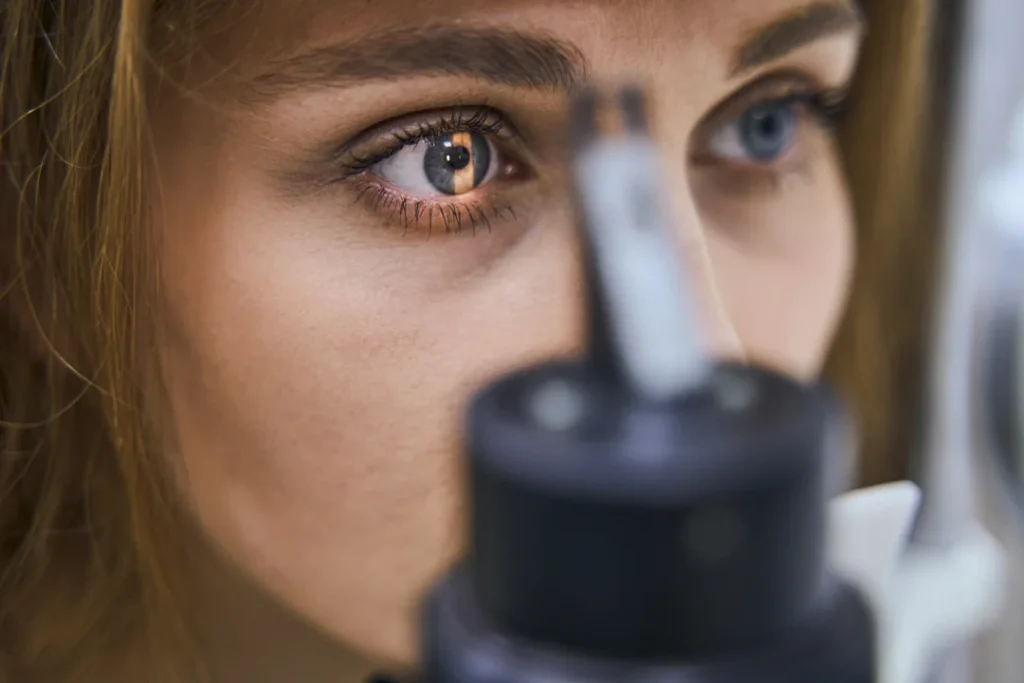
LASIK can provide real freedom from prescription eyewear. As outlined above, patients treated at our Denver Tech Center location in 2022 saw strong outcomes at one year of follow-up.* For most patients, that means no contacts and no glasses for distance vision after surgery. It may not completely eliminate your reliance on corrective lenses in every case, but the day-to-day dependence most contact wearers know is usually gone.
If a small residual prescription remained, contacts are an option however they are very rarely a needed option, but they’d need to be refit by your eye doctor after your cornea has fully healed. The fit and prescription would be different from what you wore before LASIK. At 20/20 Institute, we conduct thorough postoperative evaluations so that, if you do need any additional vision correction, it’s precisely tailored to your new visual status.
For anyone who lives the Colorado lifestyle, that freedom matters. Dry mountain air, wind on the trail, and long days at altitude are hard on contact lens wearers. Skiing, cycling, trail running, and even a summer hike become easier without a lens drying out or shifting on your eye. If you’d like to understand what recovery looks like week by week, take a look at our LASIK recovery timeline.

Frequently Asked Questions About Contacts and LASIK
How long before LASIK do I need to stop wearing contacts?
Soft contact lens wearers typically stop 1 to 2 weeks before LASIK. Rigid gas-permeable lens wearers usually need 4 to 12 weeks. Specialty lenses like toric, hybrid, extended-wear, and orthokeratology require an individualized window. Your dedicated 20/20 Institute patient counselor will confirm your exact timeline at your evaluation.
Why can't you wear contacts before LASIK?
Contact lenses gently reshape your cornea. That’s harmless day to day, but LASIK is planned from precise measurements of your cornea’s true shape. If we measured while your cornea was still influenced by a lens, the surgical plan could be built around the wrong baseline. Time out of contacts lets those measurements reflect your natural eye.
Can I wear contacts after LASIK?
Most patients don’t need contacts after LASIK at all. If a small residual prescription remained, contacts could be worn again, but only after your cornea has fully healed and only with a fresh fitting from your eye doctor. The fit and prescription would be different than before surgery.
What happens if I wear contacts too close to my LASIK surgery?
Wearing contacts too close to your pre-op measurements can leave your cornea in a slightly distorted shape, which affects topography and refraction readings. If that happens, we’ll usually reschedule those measurements rather than proceed with inaccurate data. It’s not a dangerous mistake, but it can delay your surgery date.
Do I need to stop wearing contacts before a LASIK consultation, not just surgery?
Yes, in most cases. Because we take detailed corneal measurements at your evaluation, being out of contacts beforehand helps us give you accurate candidacy answers on the first visit. When you call to book, tell us what type of lenses you wear so we can advise you on timing.
I have astigmatism and wear toric lenses. Does that change my contact-free timeline?
Toric soft contact lenses for astigmatism may require a longer break than standard soft lenses, because they’re designed to hold a specific orientation and can affect corneal shape differently. Whether you have farsighted astigmatism or myopic astigmatism, your counselor will confirm your exact timeline based on your lens history and measurements.
I've worn contacts for years. Does how long you can wear a contact lens change how long I need to stop before LASIK?
It can. Long-term wear, especially of RGP or orthokeratology lenses, can influence how quickly your cornea returns to its natural shape. That’s why we may repeat measurements until your topography stabilizes. Your patient counselor will walk you through what to expect based on your wear history.
Got more questions? Reach out to our team.
Our Commitment to Your Vision
We understand that choosing to undergo LASIK eye surgery is a significant decision. We’re dedicated to providing you with the most rewarding experience possible. This starts with your free LASIK consultation where we take time to listen to your concerns and desires, carefully evaluate your visual health, and make our most informed suggestions based on your specific needs.
As a local, independent, doctor-owned-and-operated LASIK provider, we’re careful in our evaluation of LASIK candidacy, and we publish our outcome data for patients to review.* Most patients are assigned a dedicated patient counselor, and Dr. Danzo makes his personal mobile number available for direct access when questions come up. The contact lens discontinuation protocol isn’t a formality; it’s part of the careful, individualized process behind the outcomes we report. Take a look at our patient testimonials and numerous 5-star reviews for an authentic glimpse at the care we provide, and see our LASIK Patient Guide for a deeper pre-op walkthrough.
From your initial consultation through each of your post-surgery follow-ups, we’ll make sure you receive the attentive care you deserve. Our team is always available to answer questions and provide guidance as we work to support your comfort and satisfaction.
Schedule Your Free LASIK Vision Correction Consultation
Schedule your free, no-obligation LASIK vision correction consultation, by phone or online, to explore how LASIK can transform your vision.
Or call 303-202-0669 to speak with a LASIK counselor.
At your visit, we’ll review your lens wear history, take your corneal measurements, and give you a precise, personalized contact discontinuation timeline, so you’ll know exactly when to make the switch.
We welcome the opportunity to help you determine if LASIK is the right decision for you. If your corneal measurements or lens history point toward a different approach, we’ll also talk you through the difference between LASIK and PRK so you can weigh your options. We serve patients throughout the Denver metro area, Colorado Springs, and the Front Range, wherever dry mountain air and daily life make contact lenses harder to manage.